Pictures, colors and shared turns
Board Games for Kids Who Aren’t Reading Yet
A child can join a game before they can read its rule sheet. These five choices use pictures, colors or physical moves during play, with a grown-up explaining the rules first. Compare the other demands too: remembering a card, handling a squeezer, discussing a move or keeping a tower steady. The shortlist spans ages three and up; Jenga is an older-child option for ages six and up.
Researched buying advice; no hands-on testing is claimed. Retailer ratings are dated snapshots. Some shopping links may earn us a commission.
Start with the decision
Choose by the situation below, then check the product’s age and household fit.
Picture matching and memory, ages 3+
Orchard Toys Shopping List Game →Match pictured groceries to a shopping list with two to four players. An adult can name unfamiliar items; a child's turn does not depend on decoding the printed words.
Color matching with a hands-on turn, ages 3+
Educational Insights Sneaky, Snacky Squirrel →Spin and collect matching acorns with a squeezer. Try the tool first and explain wind and stealing outcomes before starting a competitive round.
A shared goal, ages 4+
Peaceable Kingdom Hoot Owl Hoot! →Color cards move the owls toward home as a team. Choose this when the group would rather discuss moves together; a helper should leave room for the child to decide.
Direction cards with an active helper, ages 4+
ThinkFun Robot Turtles →The child chooses movement cards and a grown-up or experienced player moves the turtle. Choose it for a shared planning activity, with the helper available throughout rather than just for setup.
A physical challenge for ages 6+
Jenga Classic →Removing and restacking blocks makes the turn visible without a text card. A stable surface and control of the blocks matter more than reading; expect noise when the tower falls.
Compare 5 picks at a glance
Estimated budget bands, not live prices. Scroll the table sideways on small screens.
| Gift / age | Budget band | A reason to choose it | Check first |
|---|---|---|---|
| Orchard Toys Shopping List GameAges 3–7 | Under $25 | Preschool picture matching | Keep the loose cards together |
| Educational Insights Sneaky, Snacky SquirrelAges 3–6 | Under $25 | A small group learning to take turns with adult support. | Wind and stealing spaces can undo progress; introduce those setbacks before competitive play. |
| Peaceable Kingdom Hoot Owl Hoot!Ages 4–7 | Under $25 | Families who want to make decisions and win or lose together. | An adult may need to model discussing moves without choosing every move for the child. |
| ThinkFun Robot TurtlesAges 4–8 | $25–$50 | A child who likes checking a plan step by step. | The helper is an active part of the game, not just the person who reads the rules. There is no electronic robot; the four turtle colors support up to four child players. |
| Jenga ClassicAges 6–12 | Under $25 | Family play without reading | Falling blocks are noisy |
Reading the rules is different from reading every turn
An adult still needs to introduce these games. In Shopping List, the task is to find a pictured item on the player's list. In Hoot Owl Hoot!, colors guide the moves and the group works toward the same goal. Show an example turn, then let the child try. The absence of text on a turn does not remove the need to learn what the pictures and symbols mean.
Sources: Orchard Toys, MindWare / Peaceable Kingdom
Check hand control and tolerance for setbacks
The squirrel game's tool adds a handling task to color matching, and the spinner can take away progress. Jenga replaces cards with careful movement of wooden blocks. Our recommendation is to choose the challenge the child enjoys practicing, rather than assume every game without reading will be equally easy.
Sources: Educational Insights, Hasbro
Budget for a helper's attention
In Robot Turtles, a child selects direction cards while a grown-up or experienced player carries out the moves. That helper is part of the game, not someone who leaves after reading the rules. Start with the introductory setup and add the manual's extra challenges gradually. It is a physical board game, with no electronic robot included.
Sources: ThinkFun
Decide whether the family wants competition or cooperation
Shopping List has an individual winner, while Hoot Owl Hoot! gives the group a shared objective. That changes the conversation at the table. A memory advantage may help an older sibling in Shopping List; in a cooperative game, a confident player may need a reminder to leave choices to others. Choose for the people who will actually play.
Sources: Orchard Toys, MindWare / Peaceable Kingdom
Use the exact edition and the stated age
This shortlist refers to the original Shopping List game, the squirrel board game, the Hoot Owl Hoot! board game, ThinkFun Robot Turtles and Classic Jenga. A matching title on a puzzle, book or travel edition does not establish the same rules or player count. In particular, Jenga's stated minimum is six, even when a younger child understands the idea. Check the box before buying.
Sources: Orchard Toys, Hasbro
The short list
Use Save to keep a candidate and Compare to put up to three side by side. Open the full brief for contents, play ideas, sources, and trade-offs.

Best Toy Guide pick · ages 3–7
Orchard Toys Shopping List Game
Best for puzzles
A simple picture-matching memory game with a familiar shopping theme for younger players.

Best Toy Guide pick · ages 3–6
Educational Insights Sneaky, Snacky Squirrel
Best for animals
Squirrel squeezer, 20 acorns, four logs, spinner and box-shaped board.

Best Toy Guide pick · ages 4–7
Peaceable Kingdom Hoot Owl Hoot!
Best for animals
Cooperative owl color-matching board game.
Best Toy Guide pick · ages 4–8
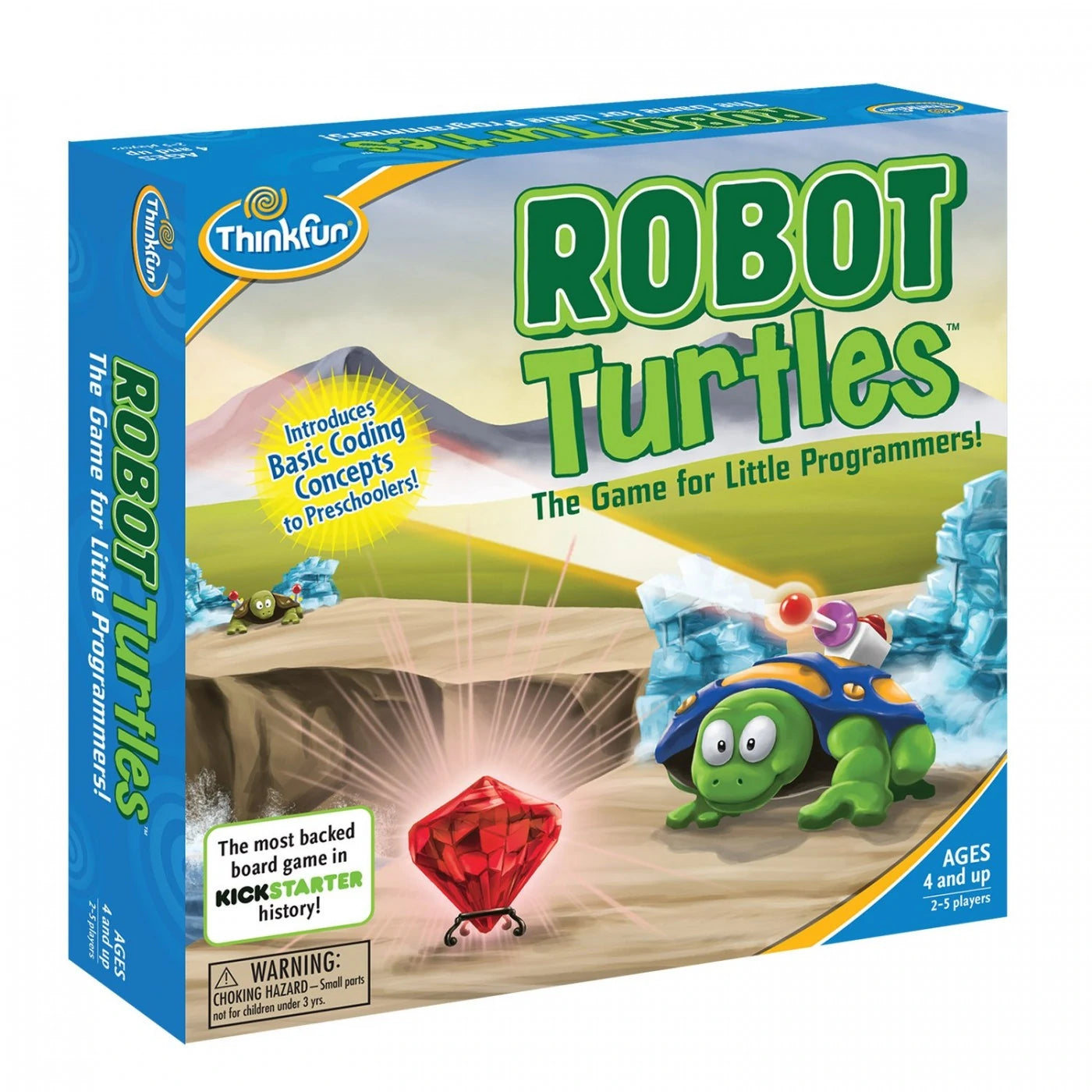
ThinkFun Robot Turtles
Best for coding
Board, turtle and jewel tiles, code-card decks and obstacles for a child-and-helper programming game.

Best Toy Guide pick · ages 6–12
Jenga Classic
Best for puzzles
The familiar wooden stacking game remains a dependable, no-reading-required family gift.
Ready to check retailer prices?
- Orchard Toys Shopping List GameCheck price at Amazon ↗
- Educational Insights Sneaky, Snacky SquirrelCheck price at Amazon ↗
- Peaceable Kingdom Hoot Owl Hoot!Check price at Amazon ↗
- ThinkFun Robot TurtlesCheck price at Amazon ↗
- Jenga ClassicCheck price at Amazon ↗
Amazon links can earn a commission. Other retailer links are direct; prices and stock are confirmed by the retailer.
Before you choose
Does no reading required mean a child can play alone?
No. Understanding turns, remembering a rule and managing the pieces are separate demands. The picture and color games here are choices for shared play with initial help. Hasbro also describes a solo option for Classic Jenga, but its age guidance remains six and up.
Which of these games is cooperative?
Hoot Owl Hoot! gives players a shared goal. Robot Turtles is also noncompetitive: each child works toward a jewel with a helper. Shopping List and Sneaky, Snacky Squirrel have individual winners; explain setbacks before starting and choose the mood that fits your group.
Will these games teach my child to read?
This guide selects games a child can participate in without reading independently. It does not claim they teach reading. Choose them for the matching, memory, movement or shared play that interests the child.
Checked sources